




About Royal Mint Logistics

Engineering Logistics Around Reliability, Visibility, and Trust

We build delivery systems that combine operational discipline with modern tracking infrastructure, ensuring each shipment is measurable, accountable, and secure across domestic and international corridors.

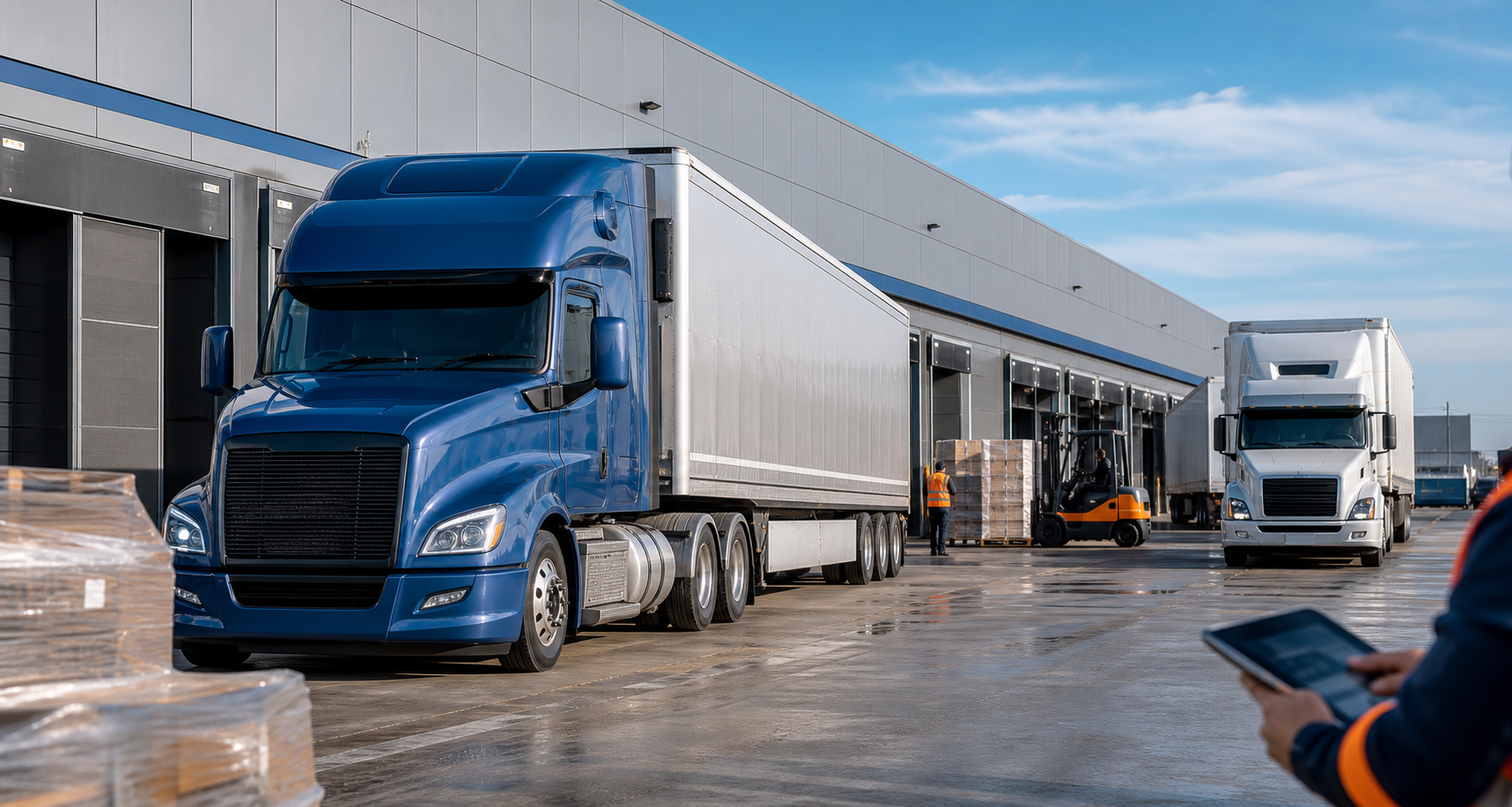
Road cargo freight trucks
Cargo aircraft freight loading
Container ship at freight port
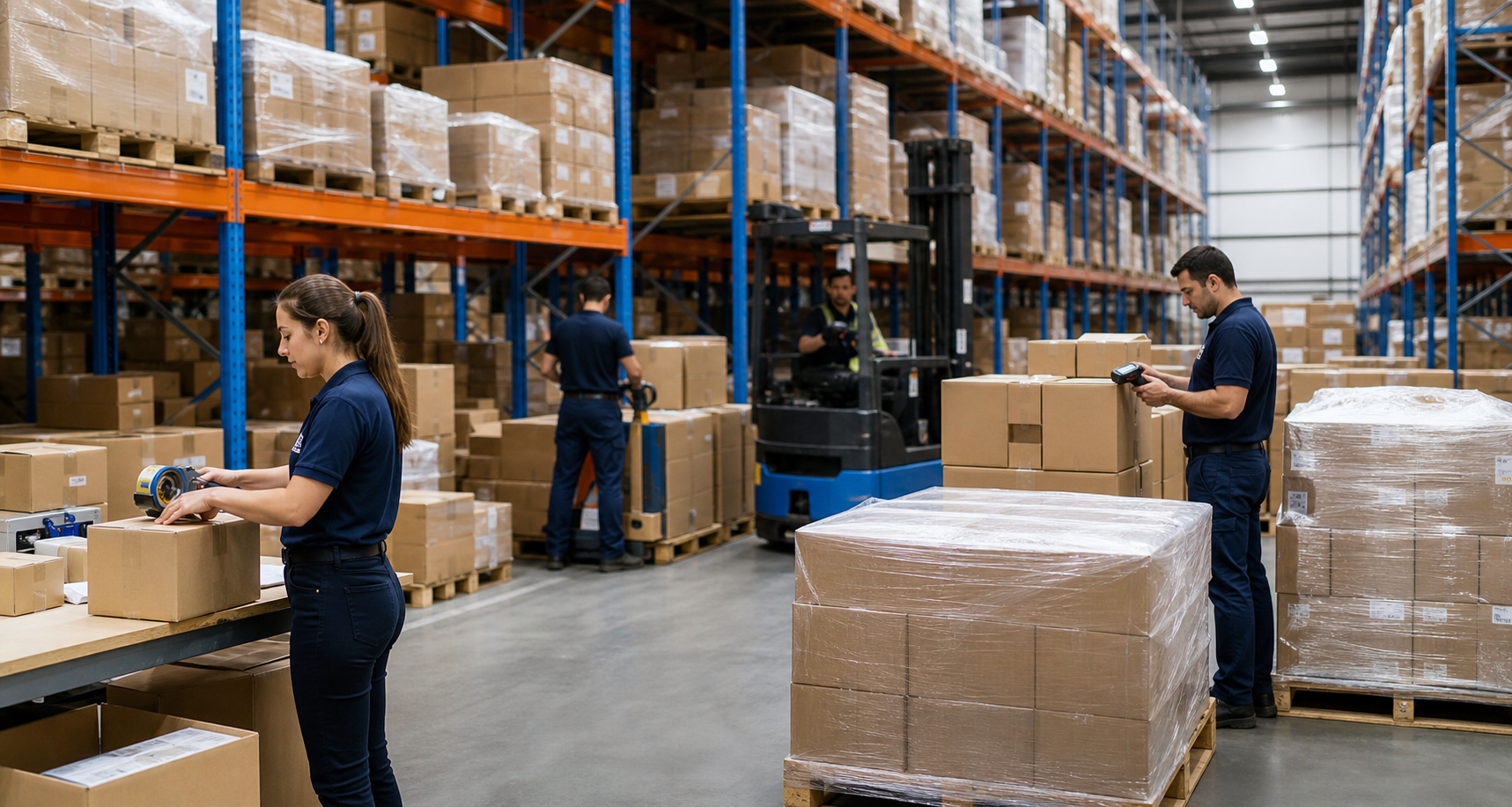
Warehouse packaging and storage
Courier delivery van and parcels
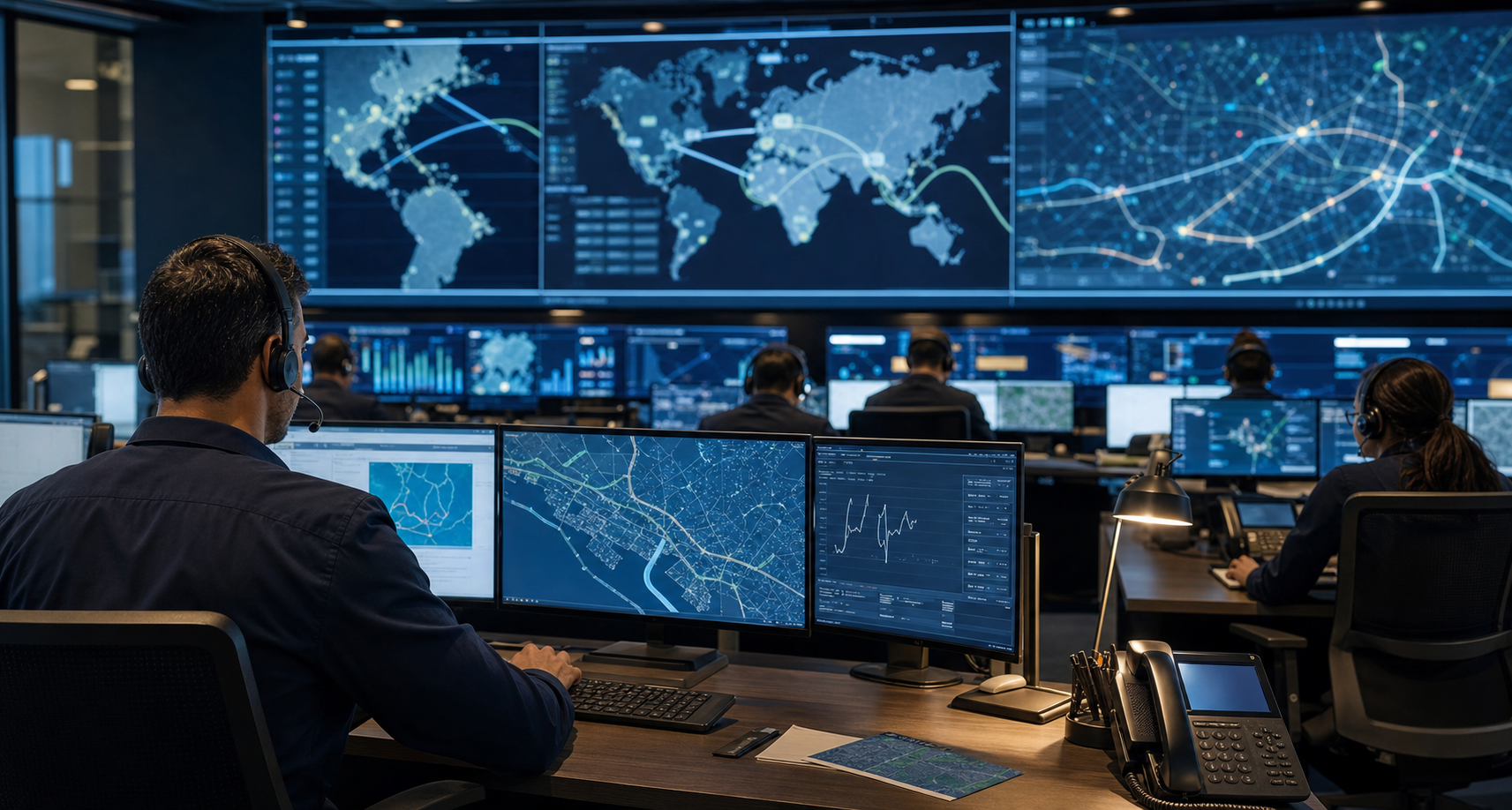
Shipment tracking control room
Logistics support operations desk
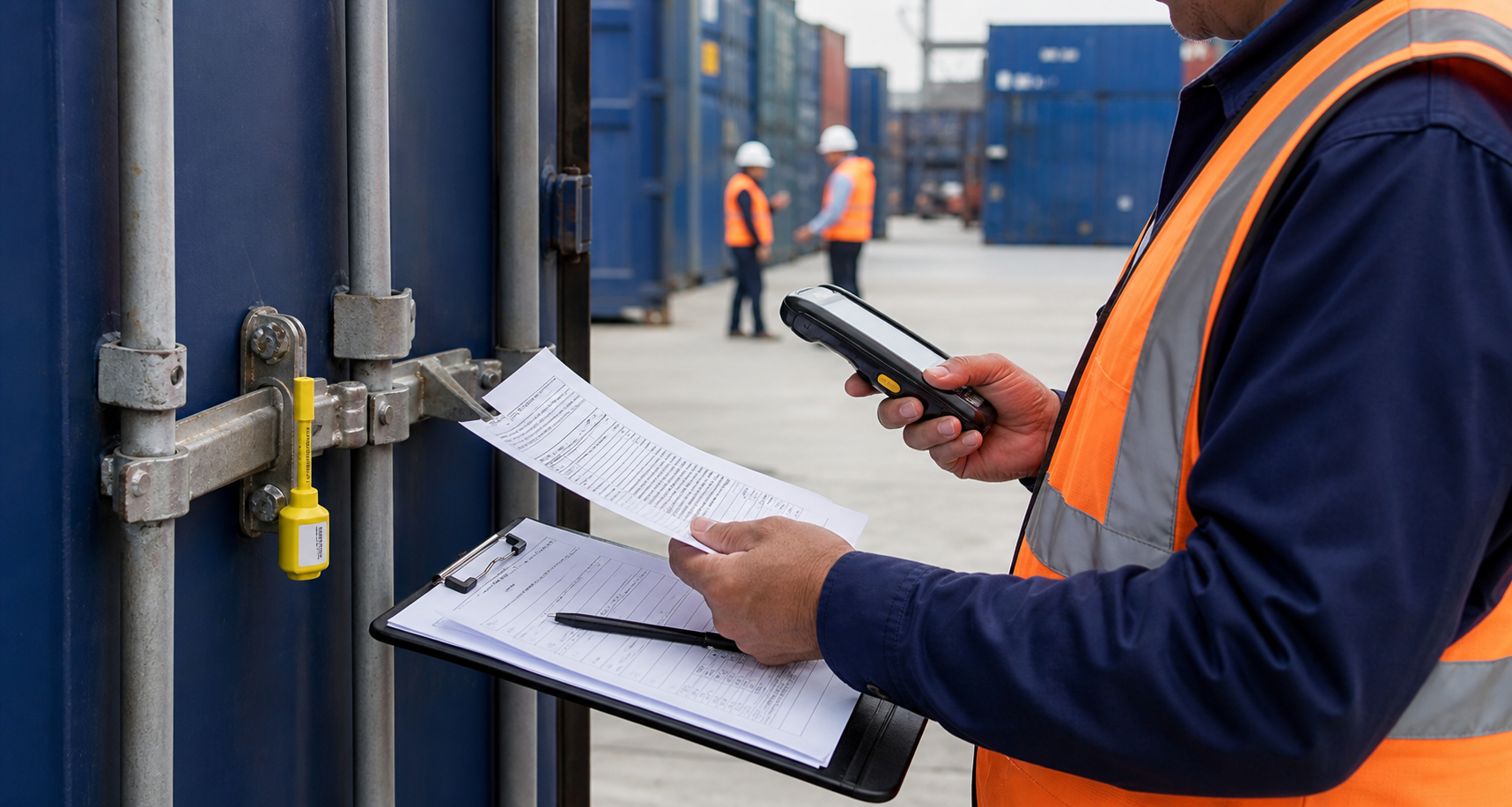
Cargo compliance inspection
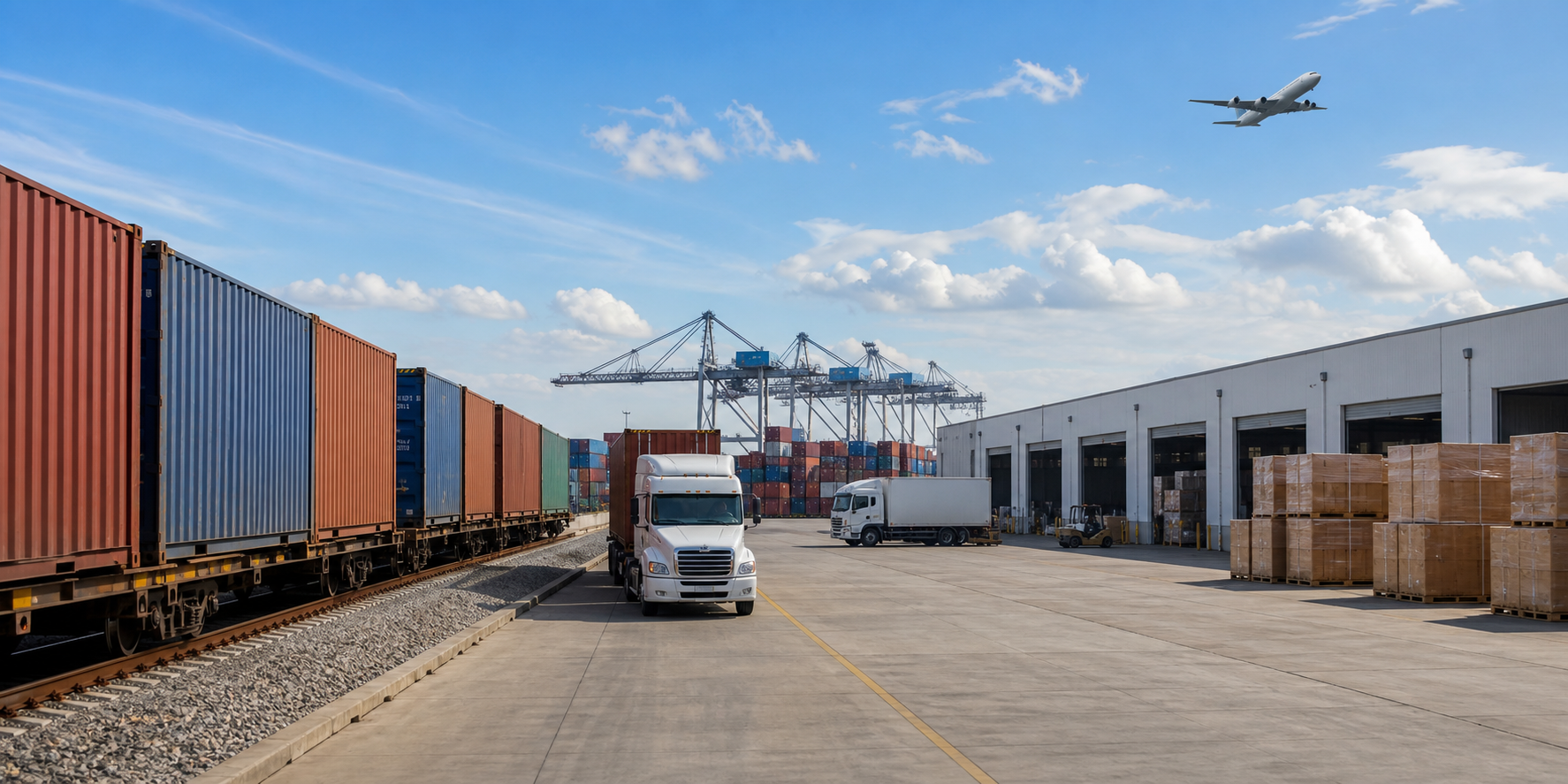
Multimodal logistics terminal
Global logistics hub
Integrated logistics terminal
Who We Are

Strategic Logistics Partner For Growing Businesses

Royal Mint Logistics was established to close the gap between shipment execution and shipment visibility. We observed that many logistics processes failed not because movement was impossible, but because communication and control were inconsistent. Our model addresses that challenge by combining operational checkpoints, structured status reporting, and dedicated support workflows.

Today, we support both businesses and private clients with services across cargo transportation, air freight, ocean freight, packaging, storage, and live tracking. Our team works to ensure every request is validated carefully, documented properly, and executed with route-aware handling procedures.

We believe dependable logistics must be transparent. That is why each active shipment is tied to a detailed event timeline and route context, so customers are never forced to guess where their cargo is or what step comes next.

Logistics operations team

Operational Philosophy

Our logistics philosophy is built on three pillars: predictability, accountability, and service continuity. We plan each movement stage with practical risk controls and maintain update consistency throughout the shipment lifecycle.

By aligning dispatch operations with digital tracking records, our customers get both movement execution and decision-ready information in one connected system.

Core Capabilities

Built For Consistent Execution Across Service Lines

Our capabilities are designed to reduce operational uncertainty and improve shipment confidence from planning through final handoff.

Tracking visibility control room

Tracking Visibility

Milestone-based update architecture captures location transitions, status changes, and notes for customer-facing and internal operational alignment.

Cargo protection warehouse

Cargo Protection

Handling procedures are adapted to cargo profile, route conditions, and dispatch risk to improve safety and preserve shipment quality.

Operational support team

Operational Support

Our support teams provide shipment-level guidance for timeline clarifications, route concerns, documentation checks, and escalation management.

18+

Years of shipping expertise

95%

On-time process compliance

60+

Strategic logistics partners

100%

Traceable shipment records

Mission-driven cargo movement

Mission

To deliver dependable logistics solutions that combine disciplined field operations with transparent digital tracking so customers can make confident, informed shipment decisions.

Visible logistics network

Vision

To become a recognized benchmark for traceable, accountable logistics services where every movement stage is visible, controllable, and professionally supported.

Quality and compliance inspection
Quality & Compliance

How We Maintain Service Integrity

Our workflows include routine validation of route assumptions, dispatch readiness checks, and status-entry controls to minimize reporting inconsistency. For international shipments, we coordinate with compliance requirements and documentation expectations to reduce avoidable hold events.

We also maintain an escalation framework that allows support teams to react to disruptions quickly. When events such as routing delays or terminal changes occur, customers receive contextual updates rather than generic status outputs.

This approach allows us to maintain service quality even under dynamic logistics conditions, ensuring that shipment data remains useful and communication remains practical.

Operating Model

How Our Teams Coordinate End-To-End Logistics

Our internal operating model connects planning teams, dispatch control, route monitoring, and customer support in one workflow. This structure allows each shipment to move through clear stages with role-based accountability at every handoff point.

Planning cell validation

Planning Cell

The planning team validates shipment viability, route assumptions, packaging requirements, and timeline pressure before operations begin.

Control and visibility operations

Control & Visibility

During movement, control teams oversee milestone reporting and update quality so customers receive clear and usable status context.

Support and escalation desk

Support & Escalation

Support specialists handle exceptions, clarify routing events, and align customer actions with active shipment conditions.

Service assurance warehouse culture

Service Assurance Culture

We train teams to prioritize clarity, documentation quality, and disciplined execution over assumptions. That means status notes are expected to be specific, not generic, and operational decisions must map to shipment facts available in the system.

This culture reduces ambiguity when customers ask difficult questions about timing, location context, or route changes. Teams can answer with concrete records instead of informal estimates.

Continuous improvement logistics terminal

Continuous Improvement Cycle

After major operations, we review delivery outcomes, update patterns, and exception causes to refine future execution. This cycle improves service quality over time and helps us adapt quickly to route behavior, partner capacity shifts, and regulatory complexity.

The result is a logistics model that remains stable under growth, not one that breaks when shipment volume increases or route risk changes.

Ready To Ship With Confidence?

Request a quote and receive an immediate tracking reference while our team reviews your shipment route and handling requirements.